policy and funding
Scots least likely in UK to pay for damp and mould repairs, FMB poll finds
Federation of Master Builders polling by Savanta shows 63% of people in Scotland have spent nothing on damp or mould in five years, even though 39% have been forced to act on it.
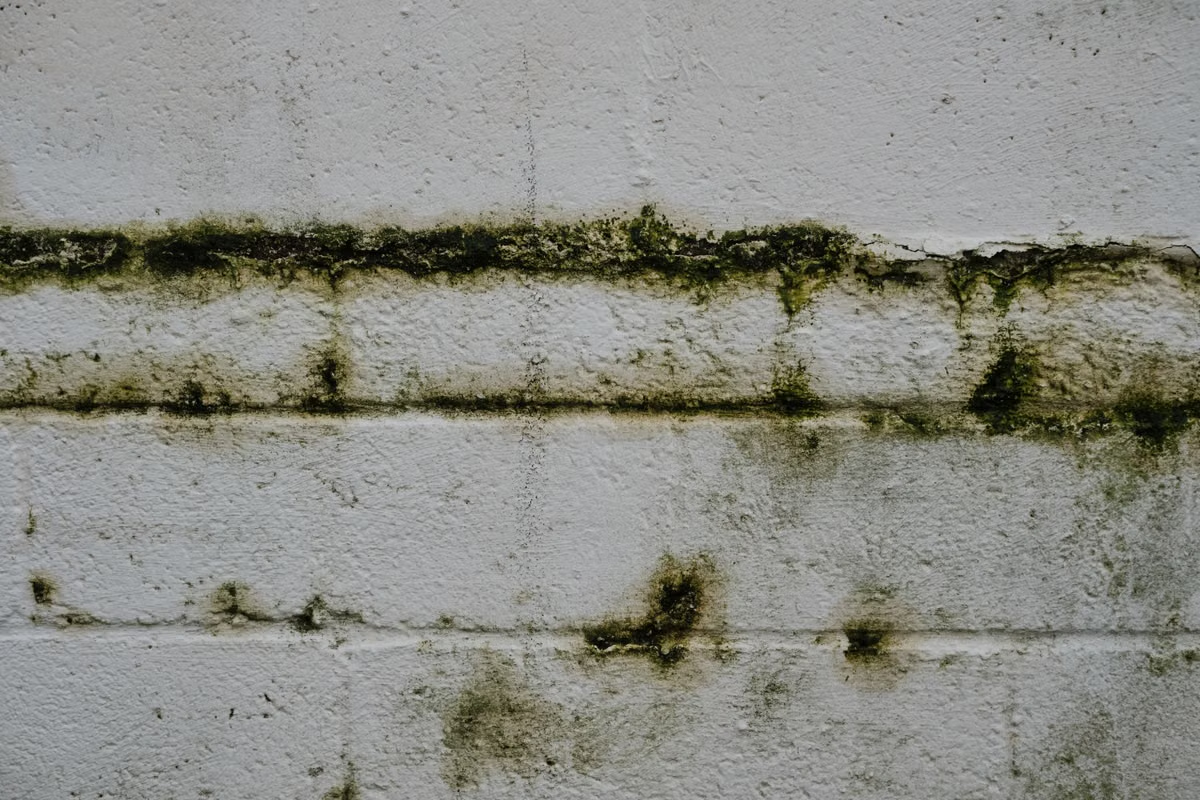
Almost two-thirds of people in Scotland have spent nothing on fixing damp or mould in the past five years, the highest proportion anywhere in the UK, according to polling published by the Federation of Master Builders (FMB) on 23 November.
The FMB said 63% of Scots had paid nothing to tackle the problem, even though 39% had been forced to take some form of action because of it.
Savanta carried out the polling. In Scotland it found 28% of people had thrown away clothes, furniture or toys ruined by damp or mould, 14% had moved a bed and 8% had stopped using a room altogether.
Gordon Nelson, director of FMB Scotland, said: "Money is tight for many families, but getting a good local builder in early will almost always cost less than doing nothing."
Scotland against the UK
The FMB published UK-wide findings from Savanta polling of more than 2,000 UK adults on 20 November. Only 37% of Scots have spent any money on damp or mould, against 48% across the UK, and fewer than one in five (18%) have spent £100 or more, which the FMB said was the lowest figure in the UK.
| Measure | Scotland | UK |
|---|---|---|
| Forced to take action because of damp or mould | 39% | 41% |
| Threw away clothes, furniture or toys | 28% | 27% |
| Spent money on damp or mould in last five years | 37% | 48% |
In the UK-wide release, the FMB said the South West (51%) and London (50%) were the worst-hit parts of the country. Six in ten (60%) 26 to 34-year-olds had been affected, compared with 14% of over-65s, and 17% of parents of children under 18 had kept a child out of a bedroom because of damp or mould.
Brian Berry, chief executive of the FMB, said in that release that quick fixes may solve the problem cosmetically but the root cause must be tackled.
Traditional buildings
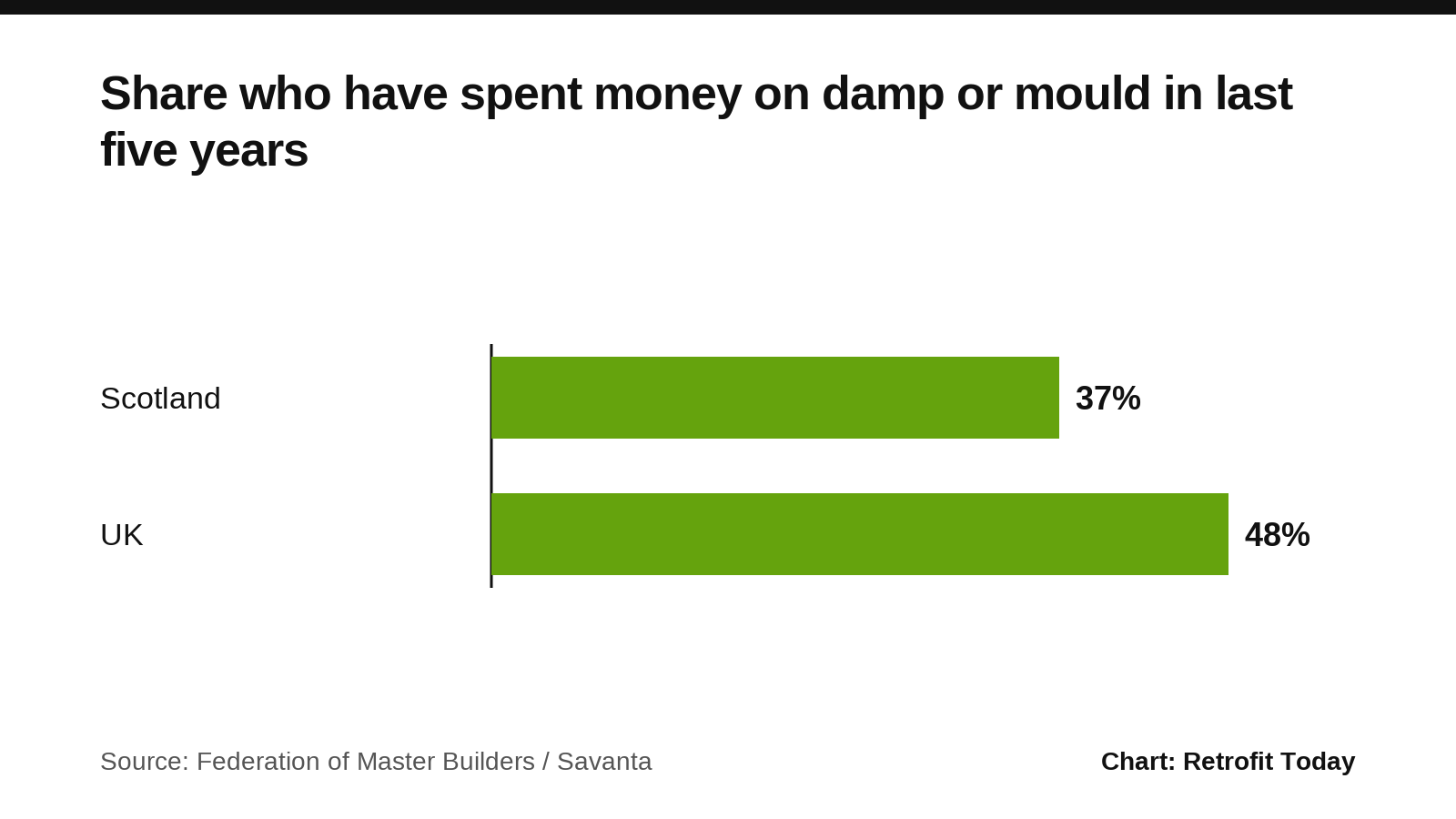
The FMB warned that households putting up with damp over winter risk bigger repair bills and health problems later. Nelson said many tenements and stone-built traditional homes were designed to breathe, and that cement repairs and sealed-up vents can trap moisture inside.
Jim Gilmour, from Scotland-based FMB member ODC Ltd, said: "Every winter I see homes where mould has been creeping for years because people assumed nothing could be done."
He said most cases came down to a blocked vent, a leaking gutter or the wrong render on an old stone wall, and that fixing the cause removes the mould for good.
The FMB's advice includes using breathable materials such as lime mortar and render rather than cement on older homes, and checking gutters, downpipes and pointing before winter.
Awaab's Law in Scotland
Nelson said tenants have rights too. Under Awaab's Law, he said, landlords in Scotland must investigate reports of damp and mould and start repairs within set timescales, so tenants should tell their landlord as soon as they spot a problem.
The Scottish Government announced that landlords would face strict timescales to investigate any report of damp or mould under the legislation. Its guidance says cases reported before 6 October are not subject to the Awaab's Law timeframes.
Under the regulations, landlords must ensure a competent person investigates a report within 10 working days of becoming aware of it, provide a written summary of the findings within three working days of the investigation concluding, and, where substantial damp or mould is found, start any necessary repairs within five working days.
The Scottish Government said the rules apply to all accommodation in Scotland covered by the Right to Repair Scheme or the Repairing Standard, including Scottish Secure Tenancies, Short Scottish Secure Tenancies and most private tenancies. It added that the vast majority of homes in Scotland are already free from damp and mould.
Housing Secretary Shirley-Anne Somerville said when the legislation was announced that everyone deserves the right to live in a warm, safe and secure home, free from disrepair.
On the record: Federation of Master Builders
Sources
- Federation of Master Builders (opens in a new tab) (accessed 2026-11-23)
- Federation of Master Builders (opens in a new tab) (accessed 2026-11-23)
- Scottish Government (opens in a new tab) (accessed 2026-11-23)
- Scottish Government (opens in a new tab) (accessed 2026-11-23)
- Scottish Government (opens in a new tab) (accessed 2026-11-23)
This story was researched from the primary sources above and checked against them before publication. Spotted an error? Tell us and we will correct it promptly.