policy and funding
DESNZ consults on removing insulation and solar from Warm Home Discount industry initiatives
The Department for Energy Security and Net Zero wants to drop insulation and microgeneration from Warm Home Discount industry initiatives in England and Wales until a new consumer protection framework is in place.
The Department for Energy Security and Net Zero (DESNZ) has opened a four-week consultation on removing insulation and microgeneration measures from Warm Home Discount industry initiatives in England and Wales until a new consumer protection framework is in place.
The consultation, published on 23 November 2026, applies to England, Scotland and Wales and closes at 11:59pm on 20 December 2026. The department said it expects the amended regulations to come into force in spring 2027.
DESNZ said the current Warm Home Discount framework does not set specific consumer protection and quality assurance requirements for insulation and microgeneration measures delivered through industry initiatives. It said poorly designed, unsuitable or substandard measures may expose consumers to risks including property damage.
The department said it is not aware of evidence of widespread consumer detriment arising specifically from these measures under industry initiatives. It said, however, that evidence of failings in Energy Company Obligation 4 (ECO4) and the Great British Insulation Scheme (GBIS) had highlighted weaknesses in the current framework.
The proposals
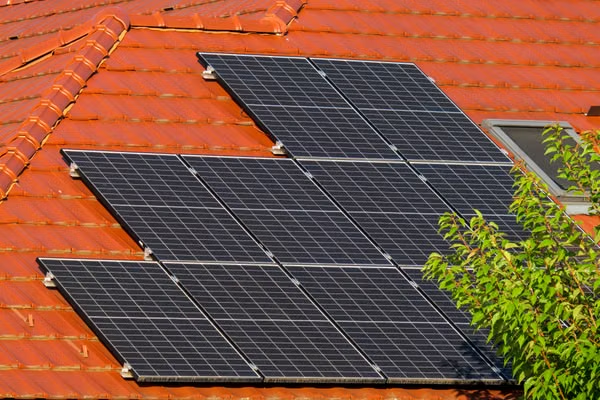
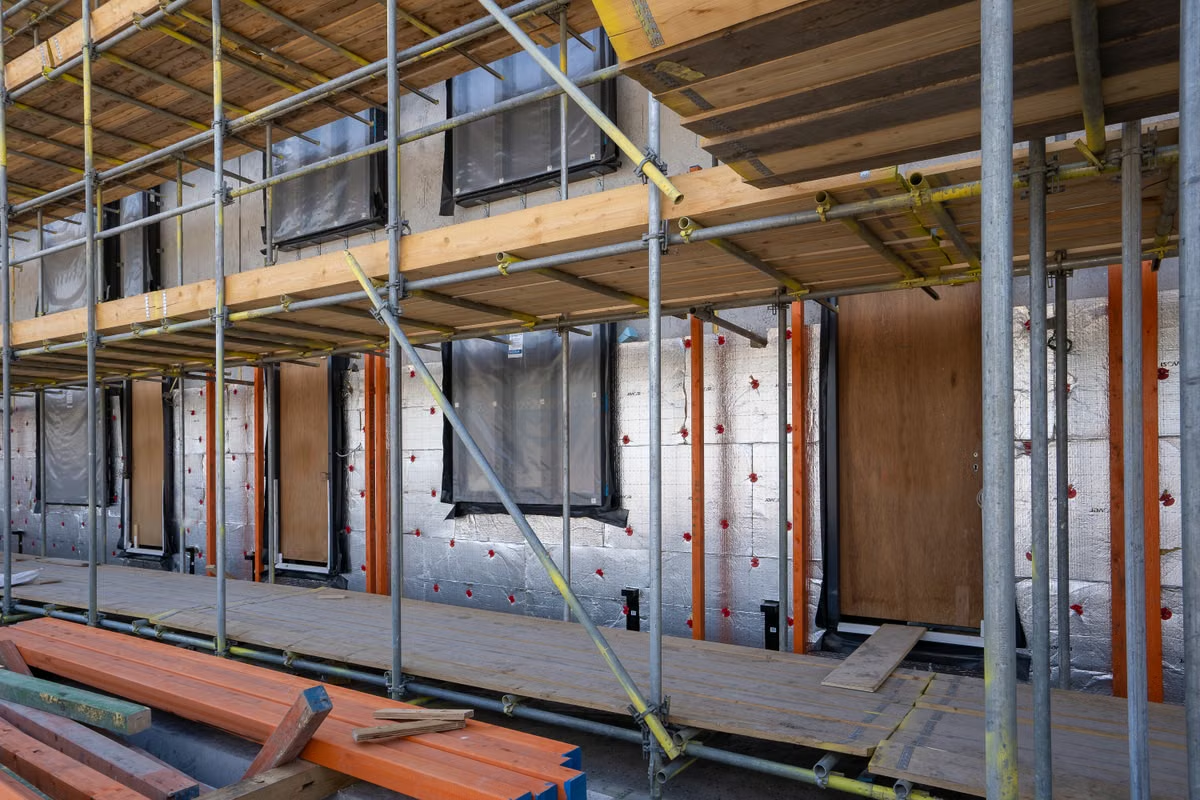
For England and Wales, the consultation document says the government's proposed approach is to remove the measures from the scheme. Insulation measures covered include solid wall and cavity wall insulation; microgeneration examples include solar photovoltaic panels. Plug-in solar products are treated as microgeneration for the purposes of the consultation and would therefore no longer be eligible.
For Scotland, the Scottish Government is considering retaining the measures where appropriate safeguards and quality standards can be applied. Options set out in the document include requiring a declaration of eligibility from a relevant local authority, and, further or alternatively, requiring energy suppliers to appoint an independent Clerk of Works to supervise projects.
DESNZ said industry initiatives spend is fixed within the overall Warm Home Discount scheme and would not be reduced as a result of the change. Funds would instead move to other eligible activities.
Under the proposed transitional arrangements, insulation or microgeneration work could proceed where a supplier or delivery partner has formally notified Ofgem of the planned works before the amended regulations come into force.
The department is seeking evidence on consumer impacts, delivery, redistribution of funding, transitional arrangements, equality and environmental effects. Responses can be submitted online or by email to whd.consultation@energysecurity.gov.uk.
Background
Ofgem, which administers the industry initiatives and facilitates suppliers' compliance, describes the Warm Home Discount as a fuel poverty reduction scheme that reduces the energy costs of low-income and vulnerable households. The £150 rebates are funded through a levy on all domestic gas and electricity customers.
According to the consultation document, the scheme has provided almost £6bn in support since 2011, and around 5.7 million households received a £150 rebate in winter 2025 to 2026.
In its January 2026 response to an earlier consultation, the government decided to continue the scheme for a new five-year period from 2026/27 to 2030/31, with funding for industry initiatives increased in line with inflation. Ofgem said scheme year 16 runs from 1 April 2026 to 31 March 2027 in England and Wales, and from 1 May 2026 to 31 March 2027 in Scotland, with the scheme set to run until 31 March 2031.
Consumer protection reform
The consultation follows a separate DESNZ consultation, which ran from 17 June 2026 to 10 September 2026, on reforming consumer protection for home upgrades to support delivery of the Warm Homes Plan. That exercise, aimed at those installing solar panels, insulation, batteries and heat pumps, proposed a single end-to-end consumer protection service accountable to government and a publicly accessible register of installers and retrofit professionals approved to work on government schemes.
Launching that consultation in June, Martin McCluskey, Minister for Energy Consumers, said: "This government inherited a broken system that left too many people in homes damaged by work that lacked clear oversight."
Brian Berry, Chief Executive of the Federation of Master Builders and a member of the Retrofit System Reform Advisory Panel, said at the time: "The retrofit market is a confusing landscape for both consumers and trades."
DESNZ also said in June 2026 that the Installation Assurance Authority would cover the cost of repairs to ECO4 and GBIS solid wall insulation up to £25,000, up from £20,000, and that more than 60% of the issues identified in audits of solid wall insulation had been remediated.
The Warm Home Discount consultation closes on 20 December 2026, with commencement of the amended regulations expected in spring 2027.
On the record: Department for Energy Security and Net Zero, Federation of Master Builders
Sources
- Department for Energy Security and Net Zero (GOV.UK) (opens in a new tab) (accessed 2026-11-23)
- Department for Energy Security and Net Zero (GOV.UK) (opens in a new tab) (accessed 2026-11-23)
- Department for Energy Security and Net Zero (GOV.UK) (opens in a new tab) (accessed 2026-11-23)
- Ofgem (opens in a new tab) (accessed 2026-11-23)
- Department for Energy Security and Net Zero (GOV.UK) (opens in a new tab) (accessed 2026-11-23)
- Department for Energy Security and Net Zero (GOV.UK) (opens in a new tab) (accessed 2026-11-23)
This story was researched from the primary sources above and checked against them before publication. Spotted an error? Tell us and we will correct it promptly.