policy and funding
NEA says Budget reprioritised £1bn away from Warm Homes Plan as £100 energy payment confirmed
The fuel poverty charity said the Budget reprioritised £1bn away from the Warm Homes Plan capital budget and called the council tax band-based £100 payment an inefficient sticking plaster.
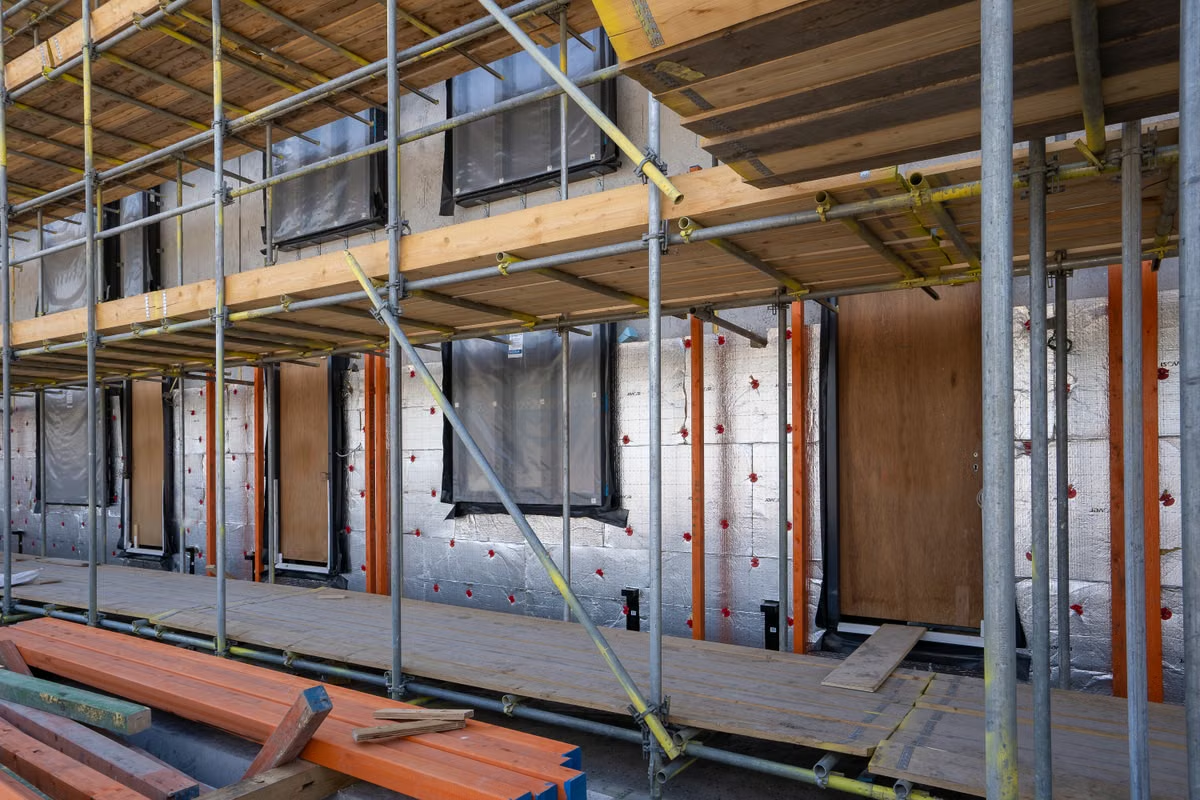
National Energy Action (NEA) has criticised the Budget for reprioritising £1bn away from the Warm Homes Plan capital budget while offering households in England a £100 energy payment it described as an "inefficient sticking plaster".
The fuel poverty charity said in its response on 28 October that the Chancellor's decisions did little to help the most vulnerable households, who it said face cold homes and unpayable energy debts this winter.
NEA said the Chancellor had announced that £1bn "has been reprioritised away" from the Warm Homes Plan capital budget, and said this threatened plans to help low-income families live in efficient and affordable homes.
Adam Scorer, Chief Executive of National Energy Action, said: "A £100 cost-of-living payment is a gesture, not a material difference. It's an inefficient sticking plaster against sky-high bills and mounting debt."
The Warm Homes Plan
The government launched the Warm Homes Plan in January 2026. According to the Department for Energy Security and Net Zero (DESNZ), it was to deliver £15bn of public investment and roll out upgrades to up to 5 million homes, with the aim of lifting up to a million families out of fuel poverty by 2030.
NEA's standing policy asks include investing through the Warm Homes Plan and delivering the energy debt relief scheme, according to its energy crisis page.
The £100 payment
DESNZ said up to 20 million households will be eligible for the Household Energy Payment, including an estimated 83% of fuel stressed households in England, with payments made from January 2027. It said a further £100m is going to local authorities for discretionary support for households not eligible for the rebate.
NEA said the payment, which goes to households in council tax bands A to D, "won't necessarily go to those in the greatest need". It pointed to the use of council tax bands in the 2022 support scheme, which it said missed hundreds of thousands of low-income households.
Scorer said: "Four years on, using the same approach is simply unacceptable. This Budget shows precious little progress has been made on data and targeting."
The payment applies only in England. NEA and DESNZ both said Scotland, Wales and Northern Ireland will receive additional funding, with their governments deciding how to spend it.
Bills and debt
NEA said typical household energy bills are forecast to be £2,192 a year from January 2027, which it said is £915, or 72%, higher than in October 2021. NEA's energy crisis page put the typical annual bill for the July to September period at £1,862, and Ofgem's price cap for a typical dual-fuel household for January to March 2026 was £1,758 a year.
On energy debt, the figures differ by source and date. NEA's Budget response said energy debt "has reached £5 billion and is rising"; its energy crisis page said UK suppliers were owed over £4.79bn as of July 2026; and Ofgem said in October 2025 there was £4.4bn of debt in the energy system.
NEA welcomed the Chancellor's confirmation that a targeted debt relief scheme will be implemented, which it said it had long campaigned for, but said it "has been delayed until 2027".
Ofgem had said in October 2025 that the first phase of its Debt Relief Scheme was expected to launch in early 2026, focusing on people receiving means-tested benefits with more than £100 of debt, and could help around 195,000 customers by writing off up to £500m. Charlotte Friel, Director for Retail Pricing and Systems at Ofgem, said at the time that the growing amount of debt in the energy system was a significant challenge.
DESNZ said billpayers on means-tested benefits, disability benefits or who are pensioners, with debt built up since the 2022 to 2024 energy crisis, will be eligible for the scheme, and that Ofgem "will shortly consult on the final design". The Budget document also said a new Energy Debt Circuit Breaker would be introduced to tackle energy debt, saving all billpayers around £30 by 2030.
NEA, which describes itself as the national fuel poverty charity working across England, Wales and Northern Ireland for over 40 years, brings together more than 600 members. It says 6 million children in the UK are living in fuel poverty, defining a household as fuel poor if it needs to spend 10% or more of its income on energy.
On the record: Department for Energy Security and Net Zero
Sources
- National Energy Action (opens in a new tab) (accessed 2026-10-29)
- HM Treasury (opens in a new tab) (accessed 2026-10-29)
- Department for Energy Security and Net Zero (opens in a new tab) (accessed 2026-10-29)
- Ofgem (opens in a new tab) (accessed 2026-10-29)
- Department for Energy Security and Net Zero (opens in a new tab) (accessed 2026-10-29)
- National Energy Action (opens in a new tab) (accessed 2026-10-29)
- National Energy Action (opens in a new tab) (accessed 2026-10-29)
- Ofgem (opens in a new tab) (accessed 2026-10-29)
This story was researched from the primary sources above and checked against them before publication. Spotted an error? Tell us and we will correct it promptly.