policy and funding
Clean electrification roadmap pins 2030 heat pump target to loans, grants and new build rules
The Department for Energy Security and Net Zero's roadmap restates the 450,000-a-year heat pump ambition and ties it to the Warm Homes Loan Scheme, the Boiler Upgrade Scheme, rental standards and the Future Homes Standard.
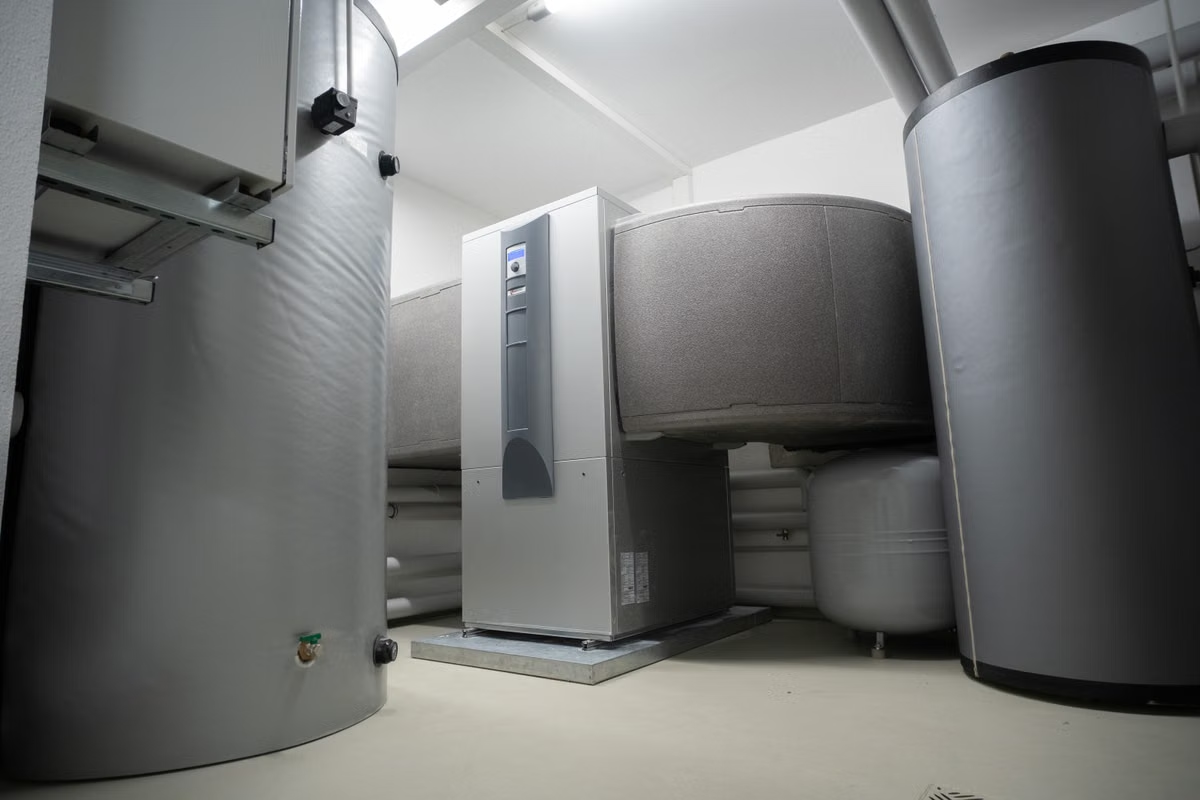
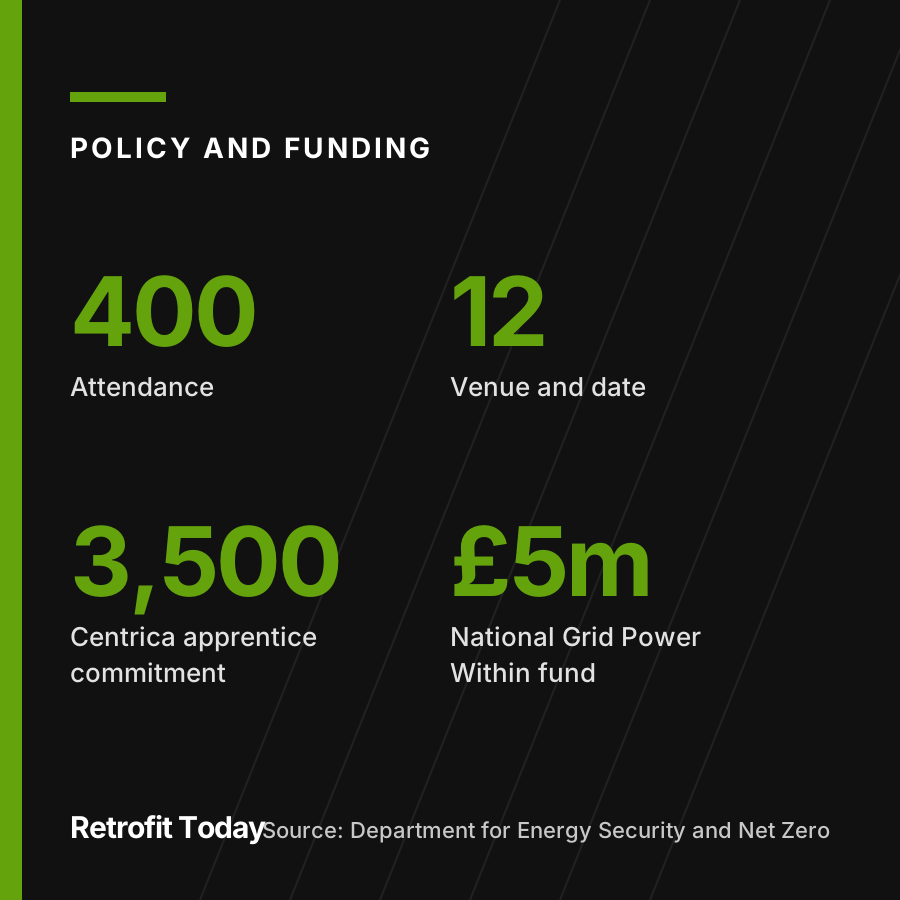
The Department for Energy Security and Net Zero published its UK clean electrification roadmap on 12 November, restating the ambition for 450,000 heat pump installations a year by 2030 and setting out the schemes meant to deliver it.
The policy paper, the department said, sets out the actions the government is taking domestically on clean electrification across buildings, transport and industry to strengthen energy security, improve affordability, create green growth and jobs, and reduce emissions.
The roadmap defines clean electrification as shifting energy demand from fossil fuels to clean electricity. For households, it says, the Warm Homes Plan sets out the 450,000-a-year heat pump ambition, and it adds that clean technologies "must be affordable, accessible and attractive to consumers".
Much of the buildings content draws together policy the department has already announced. For a retrofit audience, the detail sits in the schemes behind each claim.
Loans and grants
The roadmap says the government launched the Warm Homes Loan Scheme last month, building on what it describes as growing demand through the Boiler Upgrade Scheme, which provides upfront grants.
According to the department's factsheet on the loan scheme, published on 27 October, the no- and low-interest loans let people install clean energy technology without any upfront cost. Ten lenders are initially offering loans, with the maximum supported for a ground source heat pump set at up to £35,000.
The loans are available to households across the UK, in England, Scotland, Wales and Northern Ireland. The factsheet describes the initial lenders as the first part of the scheme's offer, with further lenders and products expected to join as it develops.
Ofgem's annual report on the Boiler Upgrade Scheme gives a measure of the demand the roadmap refers to. The regulator received 45,880 applications in Scheme Year 4, from April 2025 to March 2026, a 19% increase on the previous year. It issued 39,435 vouchers worth over £295.5m and paid grants worth £233.1m, supporting 31,104 low-carbon heating systems.
Total grants paid since the scheme started reached £560.3m, supporting 80,098 low-carbon heating systems, Ofgem said.
The department's heat and buildings factsheet describes a £90m competition to support investment in UK-based manufacturing of heat pumps and key components.
The Warm Homes Plan itself commits £15bn of public investment to upgrade up to 5 million homes, sets an ambition for at least 70% of heat pumps installed in the UK to be manufactured in the UK by 2035, and includes £1bn of investment to support heat networks.
New build and rented stock
From 2027, the roadmap says, the Future Homes and Buildings Standards will apply as a new building standard for new buildings. The department's factsheet on heat and buildings says gas boilers will not meet the required performance standard, that solar panels will be included for the majority of new homes, and that higher-risk buildings above 18 metres will be subject to longer transitional arrangements.
For existing homes, the roadmap says the government is raising Minimum Energy Efficiency Standards for rented homes. It is also raising the standard to EPC B for larger privately rented non-domestic buildings, which it expects to help tenants save up to £360m a year on energy bills by 2031.
Solar and flexibility
The roadmap restates the aim to triple the number of homes with solar by putting panels on the rooftops of up to 3 million more homes.
It also notes that plug-in solar panels became available to households in Great Britain in August 2026, providing up to 20% of an average home's electricity and saving up to £110 a year. The department's launch announcement, published on 26 August, said the panels could be plugged in across the country from 27 August, that each kit produces up to 800W, and that retailers including Amazon, Argos, Curry's and Wickes had committed to stocking them.
Energy Secretary Miatta Fahnbulleh said at the time: "From this summer, we're giving more families the ability power their homes with clean homegrown energy."
The roadmap cites Octopus Energy's Zero Bills scheme, under which it says Octopus has approved more than 6,000 homes as eligible and aims to deliver 100,000 Zero Bills homes by 2030. Under Octopus's Tenant Power model, the roadmap says, landlords can generate revenue and tenants benefit from electricity savings of about £200 a year.
On the system side, the roadmap sets an ambition for a two to three-fold increase in clean flexibility capacity, to between 51 and 66 GW by 2030.
Bills
The roadmap says an average of £150 was taken off household energy bills from April 2026. In a separate announcement, the department said VAT was removed from household electricity bills from 1 October 2026, saving households an average of £45 a year, following the £150 of costs removed earlier in the year.
The Future Homes and Buildings Standards, the roadmap says, will apply to new buildings from 2027.
On the record: Department for Energy Security and Net Zero, Octopus Energy
Sources
- Department for Energy Security and Net Zero (GOV.UK) (opens in a new tab) (accessed 2026-11-12)
- Department for Energy Security and Net Zero (GOV.UK) (opens in a new tab) (accessed 2026-11-12)
- Department for Energy Security and Net Zero (GOV.UK) (opens in a new tab) (accessed 2026-11-12)
- Department for Energy Security and Net Zero (GOV.UK) (opens in a new tab) (accessed 2026-11-12)
- Department for Energy Security and Net Zero (GOV.UK) (opens in a new tab) (accessed 2026-11-12)
- Ofgem (opens in a new tab) (accessed 2026-11-12)
- Department for Energy Security and Net Zero (GOV.UK) (opens in a new tab) (accessed 2026-11-12)
- Department for Energy Security and Net Zero (GOV.UK) (opens in a new tab) (accessed 2026-11-12)
This story was researched from the primary sources above and checked against them before publication. Spotted an error? Tell us and we will correct it promptly.