policy and funding
Ten lenders open government-backed Warm Homes Loans for heat pumps, solar and batteries
The Green Finance Institute and DESNZ say the first tranche of point-of-sale loans, backed by £300m of grant capital, is now available across the UK, with a second lender window to follow.
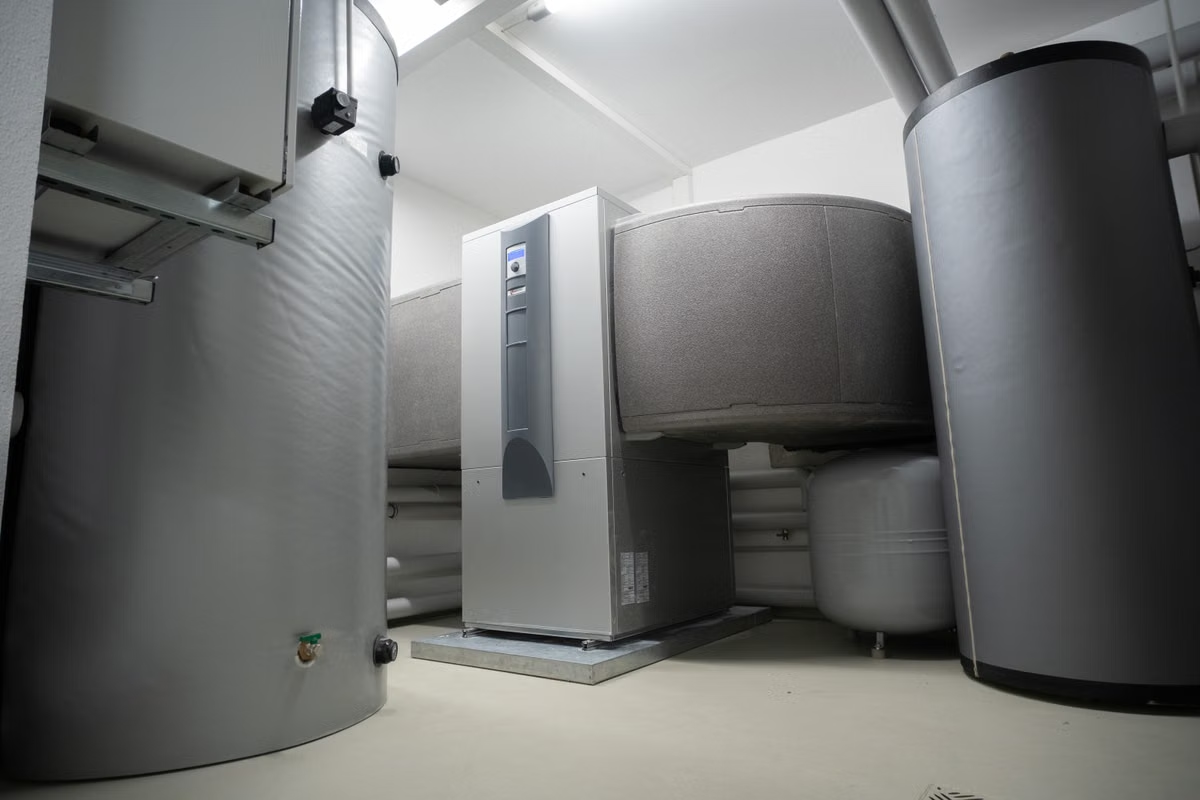
Ten lenders have started offering government-backed Warm Homes Loans at point of sale for heat pumps, solar panels and batteries, the Green Finance Institute (GFI) announced on 27 October 2026.
The loans were developed through the Green Home Finance Strategic Partnership, which GFI co-chairs with the Department for Energy Security and Net Zero (DESNZ). HM Treasury, in a release dated 26 October, said the scheme is open to homeowners across the UK, including Scotland, Wales and Northern Ireland.
The initial lenders are Homeserve (partnering with E.On), HTG Finance, Propensio, Secure Trust Bank, Selina Finance, South Manchester Credit Union, Sunsave, Tandem Bank (partnering with British Gas), The Money Co-op and This Bank. GFI said the lenders remain responsible for lending decisions, affordability checks and eligibility assessments.
Rhian-Mari Thomas, CEO of the Green Finance Institute, said: "Finance should not be the blocker for progress, yet high upfront costs remain a significant barrier." She said getting the loans to market had required stakeholders across the value chain to coordinate at pace.
What the loans cover
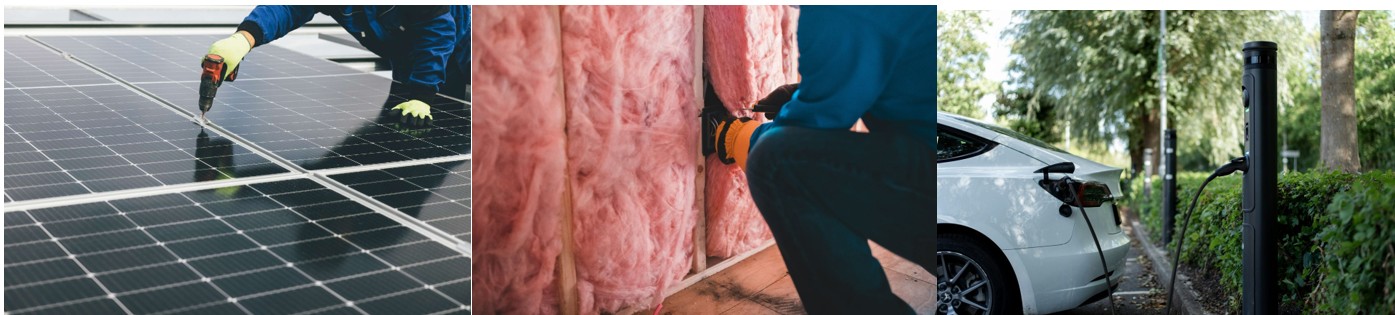
According to GFI, the loans cover heat pumps, solar PV, battery storage, heat network connections and micro-renewables, including wind turbines and hydroelectric. The first tranche focuses on unsecured point-of-sale lending, alongside a smaller number of personal loans and secured products. Future phases will widen the range of products and lenders, GFI said.
In a June 2026 response to a DESNZ call for evidence, before the launch, Citizens Advice called for fabric measures such as insulation to be included; GFI's launch release does not mention insulation. Citizens Advice also said in that response that it was concerned about a group of "missing middle" homeowners who are not eligible for fuel poverty schemes but cannot afford full loan repayments.
Gillian Cooper, Director of Energy at Citizens Advice, said in the GFI launch release that high upfront costs have kept warmer homes out of reach for millions of households.
How the money works
DESNZ said on its lender page that the Warm Homes Loan Scheme is intended to unlock private lending and investment at scale for home retrofit, and is backed by £300m of government grant capital. Citizens Advice's June response described the scheme as £1.7bn of financial transactions alongside £300m in subsidy.
Sunsave, one of the initial lenders, said the government pays a grant to approved lenders, who in return lower the interest rate on loans for eligible installations, with the aim of taking up to five percentage points off rates. Sunsave said its own Warm Homes loan offer runs from three to 20 years with rates starting from 0%, after it added its own discount on top of the government grant for its three-year option.
Miatta Fahnbulleh MP, Secretary of State for Energy Security and Net Zero, said: "These government-supported loans will help families across the UK upgrade their homes with no upfront costs."
Certification requirement
All installations under the scheme must be MCS certified, according to Lisa Cooke, Managing Director at MCS, who said 2026 is set to be another record year for certified renewable installations. Sunsave said the lender is responsible for ensuring both the installer and the equipment are MCS certified.
GFI cited NatWest research that more than 40% of homeowners without solar PV plan to install it within a decade, while 70% of those with no immediate plans for green home improvements name cost as a barrier.
The partnership's stated purpose, according to GFI, is to develop a mass market for green home finance as part of the Warm Homes Plan, which GFI said targets upgrades and lower bills for up to five million homes. DESNZ said participating lenders agree to develop and deliver finance products for home energy improvements and to share insights on consumer behaviour and the market.
What happens next
DESNZ closed lender applications for the first tranche in July 2026. Its lender page, last updated in September, said it expected to open a further application window later in 2026, while GFI's launch release said the expressions-of-interest window for a second tranche is expected to open in the next few months.
On the record: Department for Energy Security and Net Zero
Sources
- Green Finance Institute (opens in a new tab) (accessed 2026-10-27)
- Green Finance Institute (opens in a new tab) (accessed 2026-10-27)
- Department for Energy Security and Net Zero (opens in a new tab) (accessed 2026-10-27)
- HM Treasury (opens in a new tab) (accessed 2026-10-27)
- Sunsave (opens in a new tab) (accessed 2026-10-27)
- Citizens Advice (opens in a new tab) (accessed 2026-10-27)
This story was researched from the primary sources above and checked against them before publication. Spotted an error? Tell us and we will correct it promptly.