certification
MCS issues interim fire classification guidance for roof-integrated solar PV
The certification body has published guidance on testing and classifying roof integrated PV mounting systems for external fire, three years after a European standard change stalled certification of new in-roof products.
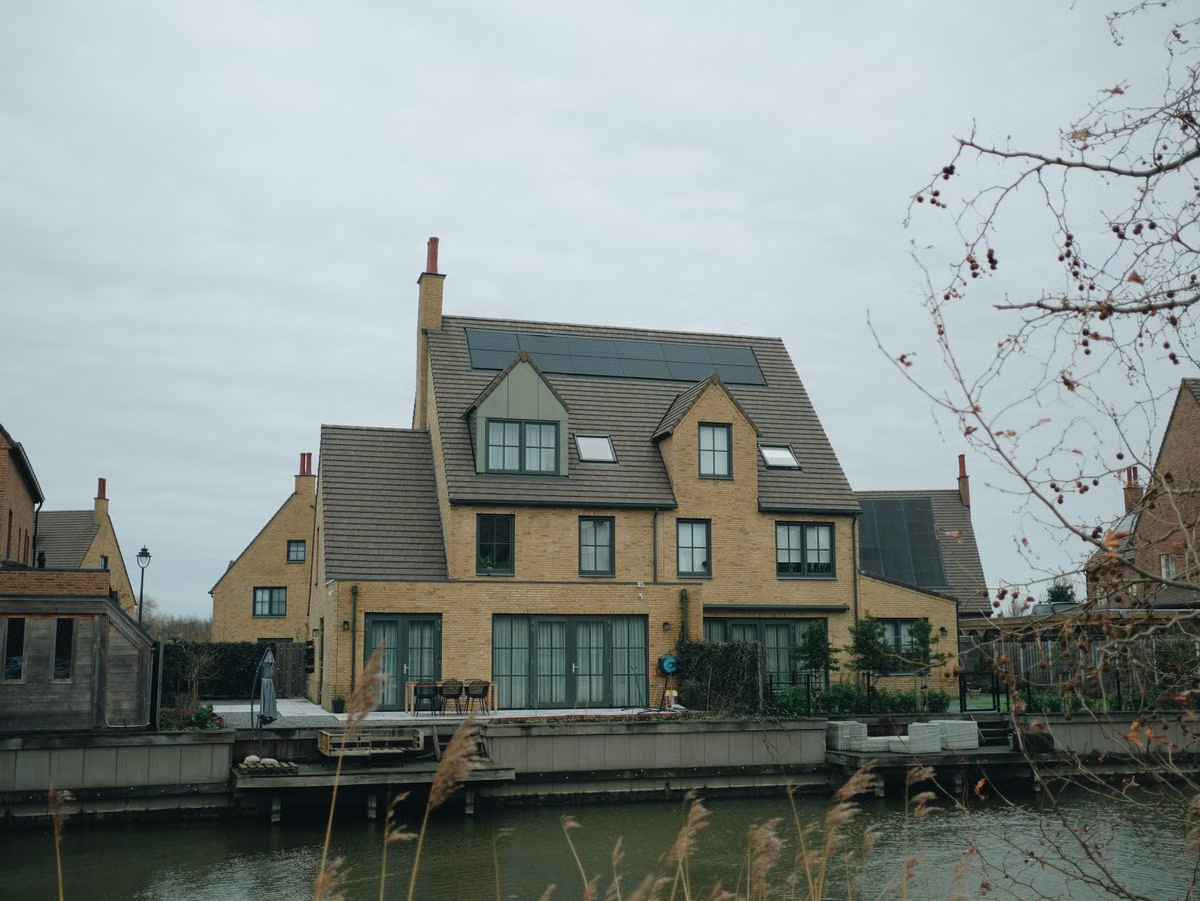
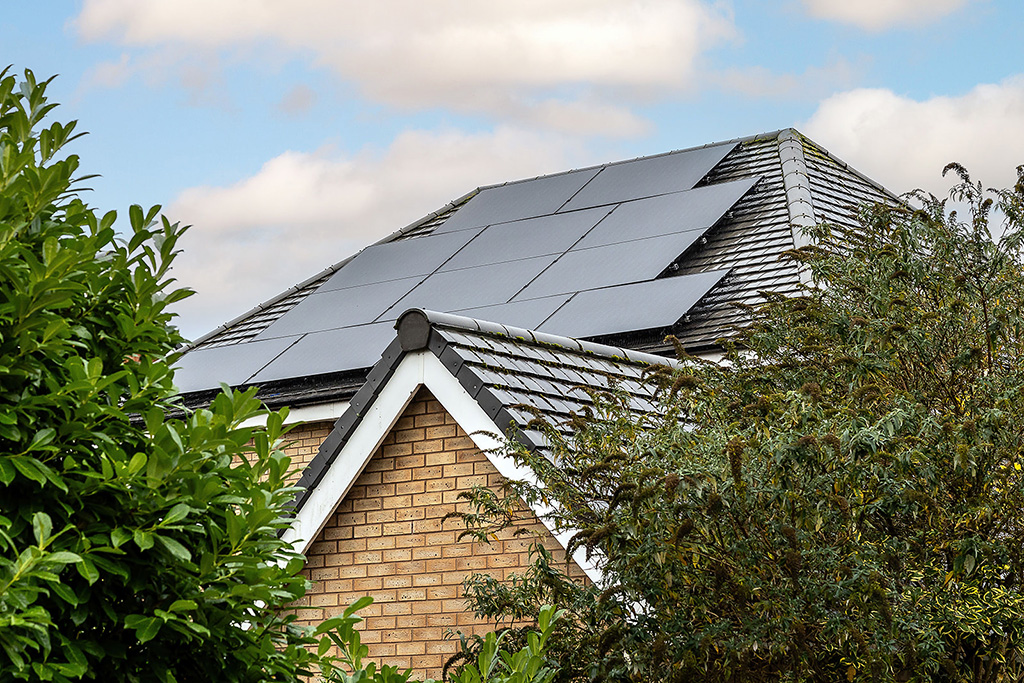
MCS has published guidance on testing, classification and assessment of roof integrated solar PV mounting systems exposed to external fire, after a 2023 European standard change left new products unable to obtain a fire classification.
The Microgeneration Certification Scheme (MCS), the UK's quality mark for small-scale renewable energy systems, said on 2 November that the document was produced with its Solar PV and Solar Mounting Technical Working Groups.
A supplementary Interpretation Note will follow in the coming weeks, MCS said. It will set out for product certification bodies how the changes in BS EN 15725:2023 should be understood in the context of MCS certification, and provide a route to certification under MCS 012, the Solar Mounting Product Standard, in the absence of a sufficient BSI standard.
Lisa Cooke, Managing Director at MCS, said: "We know that this is a crucial issue that affects our installer and manufacturer base."
The problem
Where PV modules form the roof covering, MCS said, a fire classification is the principal way of showing compliance with the external fire performance requirements of building regulations across the UK, and is essential for MCS 012 certification. The requirement relates to Regulation B4 of the Building Regulations, which covers external fire spread.
MCS's Solar Mounting Working Group became aware in late 2023 of a change to a European standard that had taken effect in September 2023, creating what MCS described as considerable uncertainty over how in-roof mounting systems could achieve a classification.
In an update in October 2024, MCS said BS EN 15725:2023 had removed expert opinion as a process that could be used for extended application (EXAP) of fire test results. Any new products brought to market were at that point unable to obtain a fire classification, it said.
MCS also explained why the existing framework did not fit solar. Fire classifications under BS EN 13501-5 relate to test methods in CEN/TS 1187:2012, but solar PV products are not listed as construction products in the Construction Products Regulations, so neither standard directly applies to them. MCS added that the UK Government intends to remove Table B2 from Approved Document B, the table transposing BS EN 13501-5 classifications to BS 476-3.
By February 2025, MCS reported that fire test laboratories were no longer in a position to issue a fire classification for roof integrated solar systems.
Lobbying and interim fix
MCS said it has engaged and convened government, the Health and Safety Executive, the Building Safety Regulator and the British Standards Institution since the standard changed, to push for a solution that would allow certification and limit disruption to the supply chain.
Its February 2025 update recorded a letter to Alex Norris MP at the Ministry of Housing, Communities and Local Government requesting an urgent meeting, supported by 25 industry signatories, and several meetings with representatives of the Building Safety Regulator. In the same update, MCS said it was due to meet the chair of the FSH 22/8 committee and testing laboratories face-to-face on 12 March 2025.
At that time MCS said the long-term answer was a dedicated testing standard for solar products, and that in the interim it would develop a guidance document for industry use, intended to let laboratories apply the TS 1187:2012 test to solar products. The document published this week is that interim guidance.
Cooke said: "The sector needs clarity and guidance to ensure robust certification, market continuity, and quality installations, so we've taken steps to work with partners and find a solution."
Why it matters
Solar PV is the most popular MCS technology, with more than 2.1 million certified installations across UK homes and small businesses, according to the announcement. Across all technologies, MCS says more than 2.5 million certified systems have been installed.
MCS said the Future Homes Standard is set to make solar PV the default option on new builds from next year, giving integrated PV what it called an important role in meeting government targets. The Department for Energy Security and Net Zero and MHCLG confirmed on 6 June 2025 that new build homes would have solar panels by default under the standard, subject to practical limits, with flexibility for homes surrounded by trees or with heavy overhead shade.
Cooke took up the Managing Director role on 1 August 2026, succeeding Ian Rippin, who announced in July that he was standing down as chief executive. She was previously MCS Chief Operating Officer and is supported by MCS Group CEO Dr Garry Felgate, who joined in April 2025.
The guidance document is available from MCS, with the Interpretation Note for certification bodies due in the coming weeks.
On the record: Ministry of Housing, Communities and Local Government, Department for Energy Security and Net Zero
Sources
- MCS (opens in a new tab) (accessed 2026-11-02)
- MCS (opens in a new tab) (accessed 2026-11-02)
- MCS (opens in a new tab) (accessed 2026-11-02)
- MCS (opens in a new tab) (accessed 2026-11-02)
- MCS (opens in a new tab) (accessed 2026-11-02)
- Department for Energy Security and Net Zero and Ministry of Housing, Communities and Local Government (opens in a new tab) (accessed 2026-11-02)
This story was researched from the primary sources above and checked against them before publication. Spotted an error? Tell us and we will correct it promptly.