policy and funding
CCC says typical household can cut energy bills by £1,200 a year with heat pump and electric car
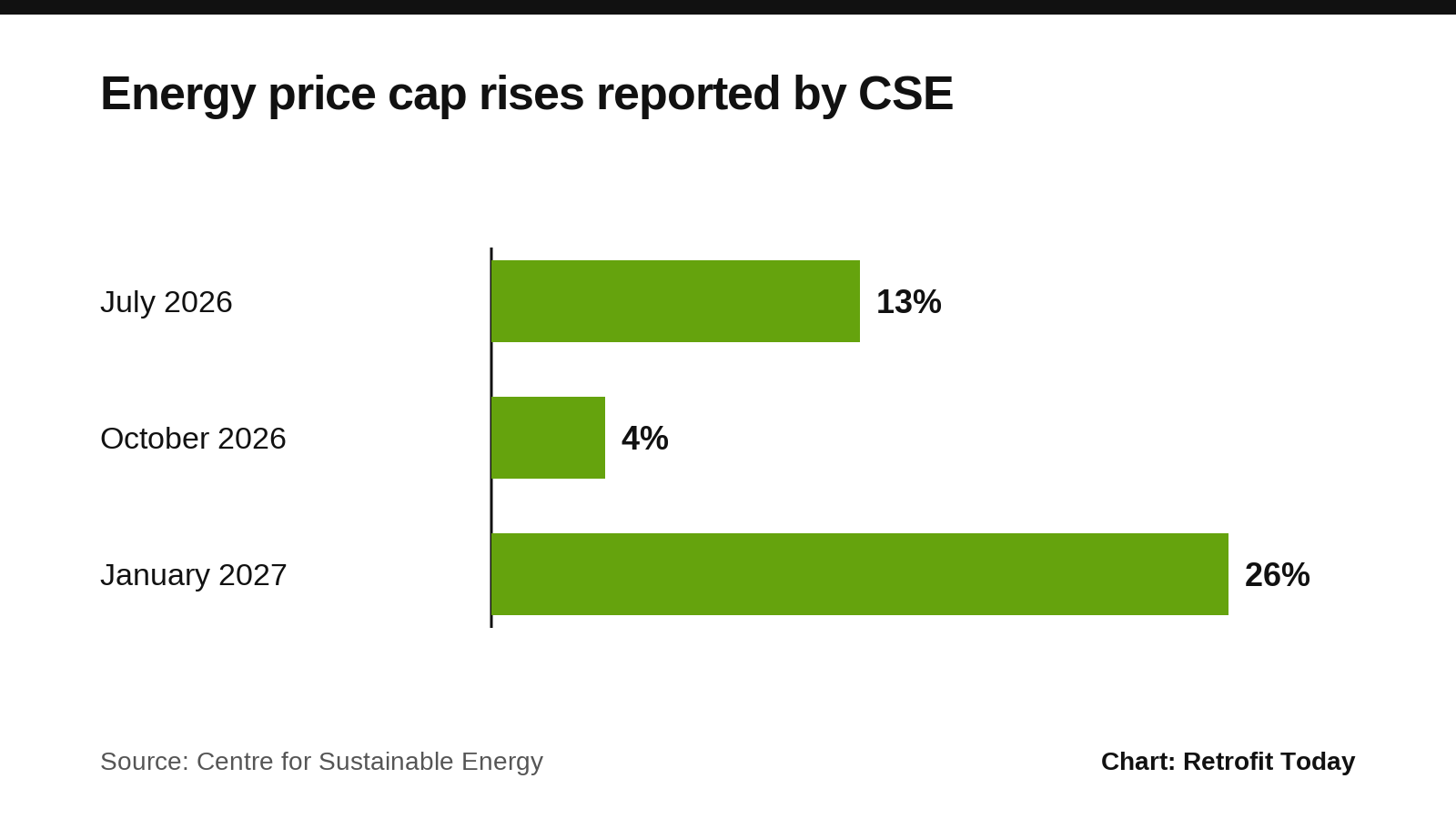
The Climate Change Committee published its analysis on the day Ofgem confirmed a 26% rise in the energy price cap from January 2027, driven by higher international gas prices.
The Climate Change Committee (CCC) said on 25 November that a typical household can cut its energy bills by £1,200 a year by replacing a gas boiler and petrol car with a heat pump and an electric car.
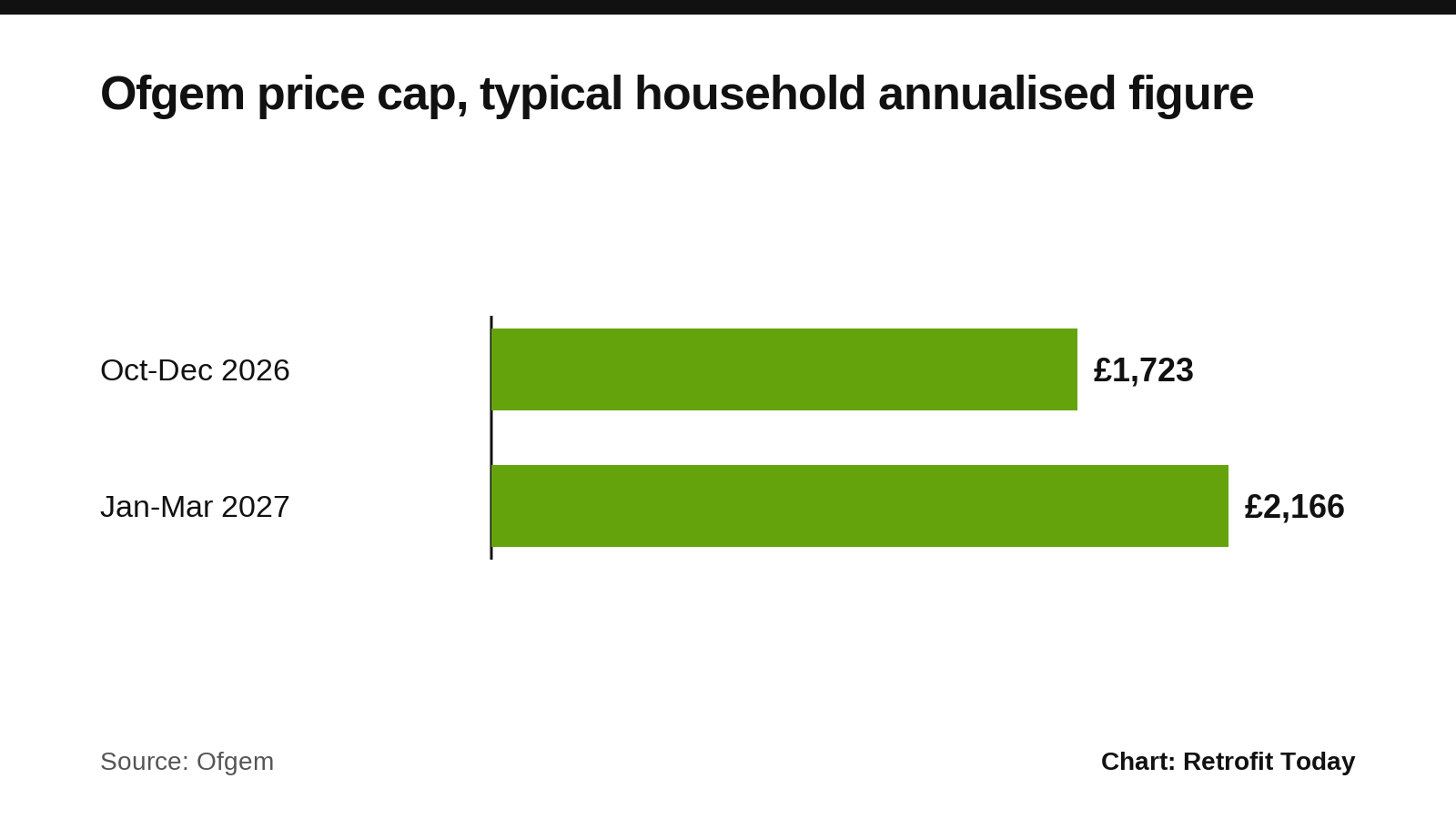
The committee published the analysis on the same day Ofgem announced that the energy price cap will rise by 26% for 1 January to 31 March 2027, taking the typical Direct Debit household's annualised dual fuel bill from £1,723 to £2,166.
Ofgem said the increase was because of the continued conflict in the Middle East pushing up international gas prices, and that gas prices were increasing by more than electricity prices. The cap affects around 20 million households on standard variable tariffs, according to the regulator.
Neil Kenward, Ofgem's Director General for Markets, said: "Conflict in the Middle East continues to drive energy costs higher."
The CCC's figures
The CCC said the new price cap means a typical gas boiler household will see its annual dual fuel bill rise by £400, or £600 once the last quarter's increase in petrol costs is included. On that basis the committee put the typical combined electricity, gas and petrol bill for a household with a petrol car and gas boiler at £3,600 a year.
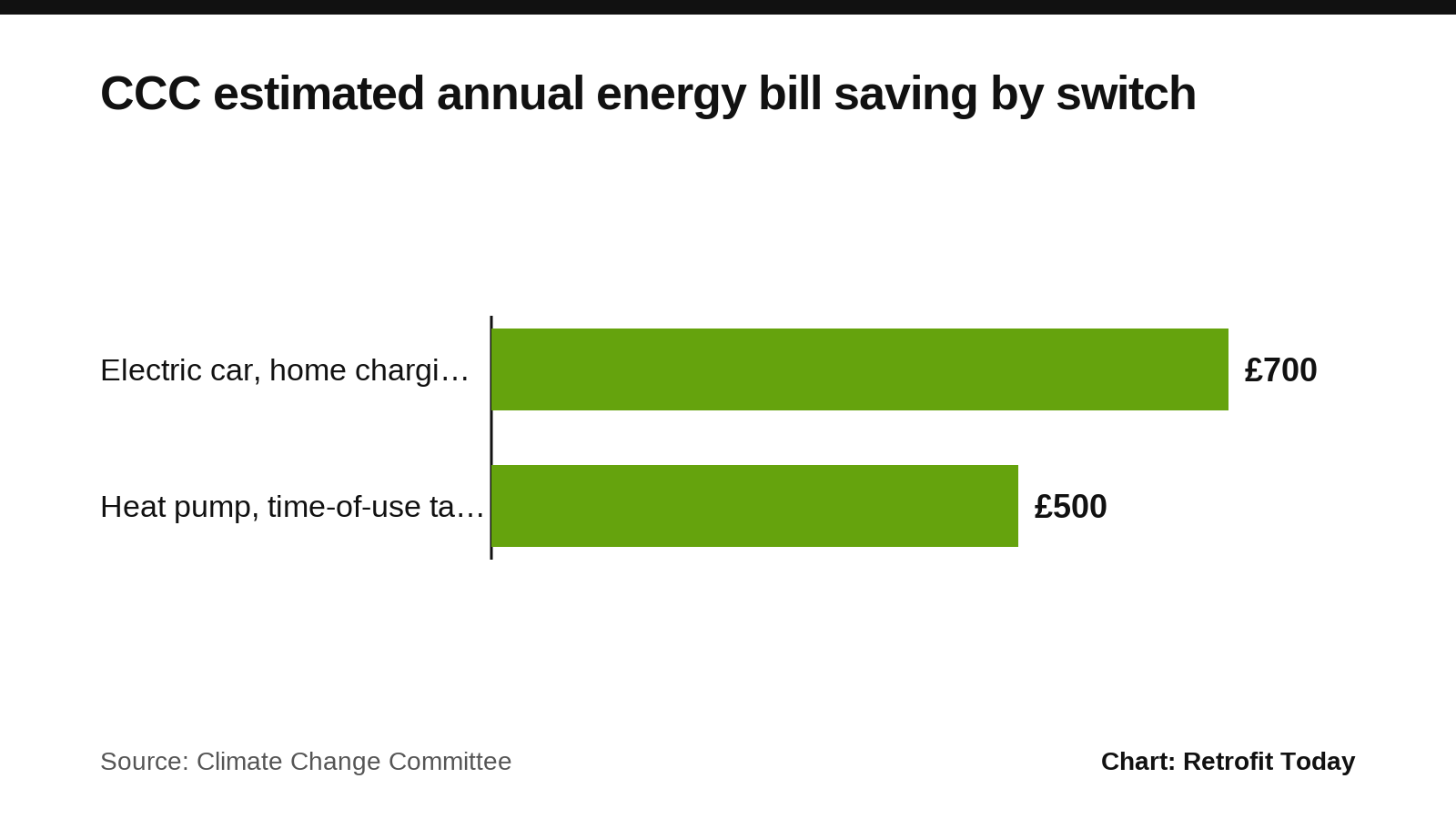
For a household with access to home charging, the CCC said switching to an electric car would cut bills by £700. Replacing the gas boiler with a heat pump on a time-of-use tariff would save a further £500, bringing the annual energy bill to under £2,400.
| Switch | Annual energy bill saving |
|---|---|
| Electric car with home charging | £700 |
| Heat pump with time-of-use tariff | £500 |
The committee said electric technologies carry higher upfront costs of £200 a year, but that after accounting for upfront and maintenance costs a typical household would still save over £1,100 a year at current energy prices.
The CCC also said energy bill increases since the start of the Iran war have been three times higher for a typical fossil fuel household than for one with an electric car, a heat pump and a time-of-use tariff.
The committee noted that its under-£2,400 figure includes transport as well as home energy, so it is not comparable with Ofgem's £2,166 dual fuel figure, which covers home energy only.
How the comparison works
The CCC's pre-switch household is a gas boiler home using Ofgem's Typical Domestic Consumption Values, with petrol mileage based on the median household car mileage from the National Travel Survey. The post-switch household keeps the same energy demand and mileage, but an air source heat pump replaces the gas boiler, a time-of-use tariff is taken up and an electric car charged at home replaces the petrol car.
Prices are based on Ofgem's Q1 2027 price cap for electricity and gas and October 2026 monthly prices for petrol and public EV charging. The committee's total cost figures include annualised technology, installation, financing and maintenance costs, as well as savings from policy support such as grants and low interest loans. The CCC said its analytical approach is set out in an accompanying methodology note.
The Boiler Upgrade Scheme offers £7,500 towards an air source heat pump, according to GOV.UK, with an additional £1,500 available until March 2027 towards an air or ground source heat pump where conditions are met.
The CCC said households could cut bills and their exposure to volatile fossil fuel prices further by installing solar panels and batteries. It acknowledged that not all homes are suitable for all of these technologies, and said other options for many households include switching tariffs or accessing support from suppliers or grant schemes.
Policy recommendations
The committee's 2026 progress report, laid before Parliament on 24 June 2026, recommended that remaining policy costs be removed from electricity bills for both households and non-residential users.
The CCC said its recommendations in the progress report include making electricity cheaper, removing barriers to accessing low carbon technologies and improving access to affordable public charging.
The £700 energy-only saving from an electric car rises to £800 a year once upfront costs, maintenance, insurance and vehicle excise duty are included, the committee said. That matches the figure it gave on 18 November, when its chair wrote to the Secretary of State for Transport on the zero-emission vehicle mandate review.
Nigel Topping CMG, Chair of the Climate Change Committee, said at the time: "People are buying electric vehicles in record numbers because they are cheaper to own than the alternative."
Ofgem said the price cap is updated every three months to reflect changes in the underlying costs of supplying energy. The next cap period runs from 1 January to 31 March 2027.
Sources
- Climate Change Committee (opens in a new tab) (accessed 2026-11-25)
- Ofgem (opens in a new tab) (accessed 2026-11-25)
- Climate Change Committee (opens in a new tab) (accessed 2026-11-25)
- Climate Change Committee (opens in a new tab) (accessed 2026-11-25)
- GOV.UK (opens in a new tab) (accessed 2026-11-25)
This story was researched from the primary sources above and checked against them before publication. Spotted an error? Tell us and we will correct it promptly.